
Risposta breve
Impara come chiudere una lama di coltello in sicurezza, cosa controllare prima di piegare un coltello, errori comuni da evitare e consigli per la cura per acquirenti e grossisti.
In questo articolo
- 01 Perché chiudere correttamente un coltello è importante
- 02 Come chiudere i comuni tipi di coltelli pieghevoli
- 03 Coltelli con frame lock e liner lock
- 04 Coltelli con blocco a pulsante
- 05 Coltelli slipjoint manuali
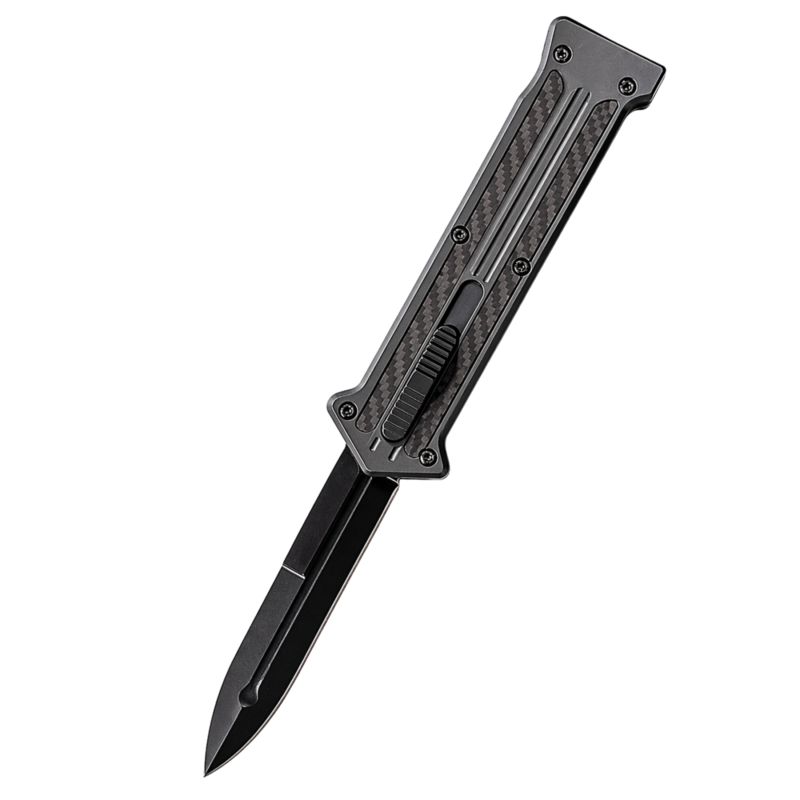
- 06 Coltelli OTF e automatici
- 07 Cosa controllare prima di chiudere la lama
- 08 Errori comuni da evitare
- 09 Come la chiusura della lama influisce sulla qualità e sul valore di rivendita
- 10 Consigli per la cura che aiutano la lama a chiudersi meglio
- 11 Cosa cercare in un meccanismo di chiusura per acquirenti e compratori
- 12 FAQ sulla chiusura di una lama di coltello
- 13 Dovrei chiudere un coltello con una o due mani?
- 14 Perché il mio coltello è difficile da chiudere?
- 15 È normale che la lama si muova un po' dopo la chiusura?
- 16 Cosa devo fare se il blocco non si rilascia?
- 17 Posso vendere coltelli senza spiegare come si chiudono?
To close a knife blade safely, keep your fingers clear of the blade path, disengage any lock if the knife has one, and fold the blade back into the handle in a controlled motion until it is fully seated. The exact method depends on the knife style, but the goal is always the same: close it slowly, keep the edge pointed away from your hand and body, and make sure the knife is fully secured before storing it.
Perché chiudere correttamente un coltello è importante
Closing a knife blade is one of the simplest parts of knife care, but it is also one of the most important. A rushed or careless closing motion can lead to cuts, pinched fingers, or damage to the blade and locking mechanism. For shoppers, store buyers, and wholesalers, this matters because customers expect knives that feel smooth, dependable, and easy to handle. A knife that closes cleanly is usually a better sign of good design and solid quality control.
Per gli scaffali dei negozi e gli annunci online, l'azione di chiusura influisce anche sulla soddisfazione del cliente. Gli acquirenti spesso notano se un coltello è rigido, allentato o sicuro. Se acquisti coltelli per la rivendita, è utile capire come funzionano i diversi sistemi di chiusura per poter rispondere accuratamente alle domande dei clienti e scegliere prodotti adatti al tuo mercato.
Come chiudere i comuni tipi di coltelli pieghevoli
Coltelli con frame lock e liner lock
Sui coltelli con frame lock e liner lock, la lama è tenuta aperta da una barra metallica all'interno del manico. Per chiuderla, allontana le dita dal percorso della lama, spingi la barra di blocco di lato con il pollice e inizia a piegare la lama verso l'interno con l'altra mano. Mantieni una presa salda sul manico e chiudi la lama lentamente finché non è completamente all'interno del manico.
Questi coltelli sono popolari perché compatti, pratici e facili da trasportare. Quando valuti l'inventario all'ingrosso, cerca un blocco che si innesti pulitamente e si rilasci senza forza eccessiva. Un blocco troppo rigido può frustrare gli utenti, mentre uno troppo allentato può sollevare dubbi sulla qualità.
Coltelli con blocco a pulsante
I coltelli con blocco a pulsante di solito si chiudono premendo un pulsante per rilasciare la lama. Una volta disinnestato il blocco, guida con cura la lama nel manico. Alcuni modelli utilizzano un meccanismo a molla, quindi la lama potrebbe iniziare a muoversi rapidamente quando viene rilasciata. Ecco perché una presa controllata è importante.
Per gli acquirenti, l'azione del blocco a pulsante può essere un punto di forza perché sembra fluida e moderna. Tuttavia, il meccanismo di chiusura dovrebbe essere testato per la consistenza. Un buon blocco a pulsante dovrebbe rilasciarsi in modo affidabile senza incepparsi e la lama dovrebbe posizionarsi correttamente quando chiusa.
Coltelli slipjoint manuali
Slipjoint knives do not have a true lock. Instead, they use spring tension to keep the blade open or closed. To close one, hold the handle firmly and apply steady pressure to fold the blade back. Because there is no locking bar to release, these knives depend on careful handling and a strong grip.
Slipjoints are often chosen for traditional styling, light utility use, and markets where buyers prefer a classic feel. If you sell them, it helps to remind customers that the blade should be closed deliberately and stored safely.
Coltelli OTF e automatici
Coltelli OTF e automatici work differently from standard folding knives, so the closing method depends on the design. Some models retract with a switch or button, while others use an assisted mechanism with specific release actions. Always follow the product instructions for the exact model, since forcing the mechanism can cause wear or malfunction.
If you are sourcing these products for retail or distribution, consistency matters. Buyers often compare trigger feel, blade alignment, and reliability. You can browse our OTF and automatic knife wholesale category to see the kinds of models that shoppers frequently ask about.
Cosa controllare prima di chiudere la lama
A safe closing motion starts before your fingers ever touch the knife. A few quick checks can prevent problems and help protect the mechanism.
- Check your grip: Hold the knife securely so it cannot twist while you fold the blade.
- Clear the blade path: Keep fingers, clothing, and other objects away from the edge and pivot area.
- Look at the lock: Make sure you know how the lock releases before you try to close the knife.
- Watch for debris: Dirt, lint, or pocket dust can interfere with smooth closing.
- Move slowly: A controlled motion is safer than trying to snap the blade shut.
These basic steps are useful for end users, but they are also practical for buyers inspecting stock. A knife that closes with clean action often reflects better assembly and better long-term usability.
Errori comuni da evitare
Many knife injuries happen because someone assumes the closing motion is automatic or harmless. Avoid these common mistakes:
- Closing too fast: Fast movement makes it easier to slip and catch skin in the blade path.
- Putting fingers near the pivot: The hinge area can pinch unexpectedly as the blade folds.
- Forcing a stuck lock: If a knife does not release smoothly, stop and inspect it instead of applying more pressure.
- Closing toward your palm: Always control the blade so it moves away from your hand.
- Storing a partially closed knife: Make sure the blade is fully seated before putting it away.
For wholesale buyers, these issues can become customer complaints if the product is poorly finished or if instructions are unclear. Clear packaging inserts and simple care guidance can reduce returns and improve satisfaction.
Come la chiusura della lama influisce sulla qualità e sul valore di rivendita
A knife that closes smoothly often feels more refined in the hand. Buyers notice the difference between a blade that folds with a clean, even motion and one that feels gritty or uneven. This is especially important for retail stores and online resellers who want products that look and feel dependable out of the box.
When comparing wholesale options, pay attention to a few practical details:
- Pivot smoothness: The blade should move without grinding or excessive wobble.
- Lock consistency: The release should work the same way each time.
- Lama centering: A centered blade usually suggests better assembly.
- Handle comfort: The knife should be easy to control while closing.
- Finish quality: Burrs, sharp edges, or rough hardware can make closing less safe.
For distributors, these are not small details. They influence how products are reviewed, how often they are returned, and whether customers buy again. If you are planning inventory, you can also use our wholesale inquiry form to discuss product needs and order volume.
Consigli per la cura che aiutano la lama a chiudersi meglio
Closing action improves when the knife is clean and maintained. Dust, pocket lint, moisture, and dried residue can all make a knife feel stiff or unreliable. A basic care routine helps preserve smooth operation.
- Wipe the blade and handle after use, especially around the pivot and lock area.
- Keep the knife dry before storing it.
- Check for debris in the handle channel or around the button, lock bar, or release mechanism.
- Use the manufacturer’s recommended care method for lubrication if needed.
- Inspect the knife periodically for loosened screws or unusual resistance.
Care is especially important for inventory that sits in storage or moves through multiple distribution steps. Knives that are handled, displayed, and repackaged benefit from a quick inspection before sale.
Cosa cercare in un meccanismo di chiusura per acquirenti e compratori
If you are buying for your own use or for resale, look for a knife that closes in a way that matches the customer base. Some buyers want a traditional manual feel, while others prefer a modern assisted or button-release system. The best choice depends on the audience, the intended use, and local rules.
General factors to consider include:
- Ease of use: Can the average customer close it without confusion?
- Safety: Does the design keep fingers away from the blade path?
- Durability: Will the lock and pivot hold up over time?
- Maintenance: Is it easy to clean and keep working smoothly?
- Market fit: Does the style match what your customers already buy?
For any knife category, it is wise to verify local laws and store policies before selling or carrying specific models. Requirements can vary by location.
FAQ sulla chiusura di una lama di coltello
Dovrei chiudere un coltello con una o due mani?
It depends on the design and your comfort level. Some knives are designed for one-handed operation, while others are easier and safer to close with two hands. If the mechanism feels stiff or unfamiliar, use a slower, more controlled method.
Perché il mio coltello è difficile da chiudere?
Common causes include dirt in the pivot, a tight lock, dried residue, or a new knife that has not broken in yet. If the knife still feels unusually hard to close after cleaning, it may need inspection.
È normale che la lama si muova un po' dopo la chiusura?
A small amount of movement can happen in some designs, but the blade should still sit securely in the handle. Excess looseness may indicate wear or a fit issue.
Cosa devo fare se il blocco non si rilascia?
Stop and inspect the knife rather than forcing it. Check for debris, misalignment, or damage. If needed, follow the manufacturer’s guidance for service or maintenance.
Posso vendere coltelli senza spiegare come si chiudono?
You can, but clear product descriptions and simple handling notes usually improve buyer confidence and reduce returns. Customers appreciate knowing whether a knife is manual, assisted, locked, or button-released.
Closing a knife blade safely is mostly about control, attention, and knowing the mechanism you are using. Whether you are a first-time buyer, a retail store owner, or a wholesale distributor, a smooth closing action is one of the clearest signs of a practical, well-made knife. When you understand how the knife is supposed to close, you can choose better inventory, give better advice, and help customers handle their knives more responsibly.